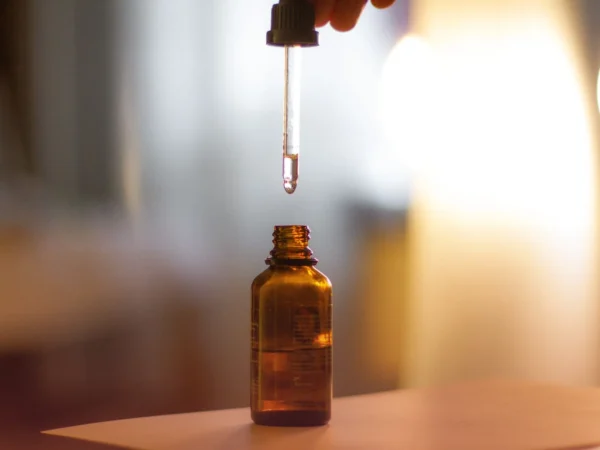

Exosomes are marketed as the next big innovation in skincare, larger than peptides and more sophisticated than growth factors. Brands are now putting extremely high price tags on serums that claim to “regenerate” skin at a cellular level. I’ve found exosome products priced at $300, $400, even $600 for a small bottle! It sounds crazy, right? But as these microscopic substances are designed to transmit inter-cellular signals, they instruct your skin to repair itself, increase collagen, and decrease inflammation. It sounds like the kind of science you’d see in a medical journal, so I had to find out what it really is.
Exosomes are tiny vesicles that resemble little bubble-like packages. They are released by one cell and taken up by another cell for communication. They contain various proteins, lipids, and genetic materials, especially RNA, which can alter the behavior of other cells. Exosomes are researched in the medical field for wound healing, tissue regeneration, and even cancer treatment. The science behind exosomes is truly fascinating! In skincare, it is believed that stem cell exosomes (often derived from plants and sometimes from human adipose tissue) deliver these regenerative signals to skin cells. This process improves collagen production, decreases inflammation and accelerates repair of tissues.
Now, this is where all the hype starts to unravel. The current exosome research is mainly focused on wound healing. This includes post-surgical wounds, recovery from burns, and other medical-grade uses. There are very few peer-reviewed studies on the use of exosomes in cosmetic skincare products. The type of products that people buy in stores have not been studied. Most studies related to exosome products are small, short-term and funded by the companies selling the products. Exosomes may do something, but I am saying that there is not enough independent long-term studies to justify the claims regarding cellular regeneration and the $500 price tag.
Exosomes are very fragile, and there are multiple issues related to stability and penetration. Exosomes have specific storage requirements in order to remain intact and functional. So, there is a big question if that serum sitting in your bathroom is able to keep them intact. Even if the exosomes are stable, not all of them will be able to penetrate the skin barrier. Most skincare exosome products contain other molecules designed to penetrate the skin, while exosomes themselves are large enough that they are usually unable to penetrate the skin barrier themselves. Brands rarely address these issues and place “exosomes” on the label and let consumers do the rest.
Then there’s the question of sourcing. Some brands say they use plant derived exosomes, others say they use human derived ones, like those from adipose and bone marrow tissue. The type of exosome used matters quite a bit. Human exosomes are more expensive and come with regulation concerns, but human exosomes are more similar to what the body naturally produces. Sourcing plant derived exosomes is less expensive and easier, but there is even less supporting research on their effectiveness in human dermal applications. Most brands don’t say much about the source or the concentration of exosomes used, so it really becomes a guessing game.
I tried one of the more expensive exosome serums, which contains human adipose tissue derived exosomes, and costs about $380 for 30ml. I was hoping to see a noticeable difference in my routine compared to when I use peptides and growth factors. Unfortunately I didn’t notice any significant differences. Nothing from a serum that costs a quarter of the price would have provided any less plumpness or hydration. I wasn’t expecting any miraculous changes, but for that price I would have liked something more than just the experience to justify the expense. I found it remarkably similar to a serum with epidermal growth factor and I wasn’t surprised because exosomes and growth factors work through similar mechanisms. If you are already using azelaic acid for skin texture or tranexamic acid for skin pigmentation, I doubt that exosomes are going to offer much additional benefit on top of that.
There is still excitement and fascination regarding exosomes. However, patience is required. Within the next couple of years, research will provide a better understanding of exosomes as well as cheaper alternatives to exosomes. Currently, you are paying a lot of money to experiment with the latest developments in a new and evolving field. However, if you are set on trying exosomes, consider purchasing products from SoNage or AnteAGE, as they are the only companies that provide evidence of the source and concentration of exosomes in their products. Although they are still expensive (about $250 to $400), at least you know what you are paying for. Don’t expect exosomes to replace anything else in your routine as their purpose is only to supplement your current skincare routine.
Want more Hot Takes in your inbox?
New ingredient breakdowns drop three times a week. Subscribe here — no spam, just Cassidy’s honest takes.