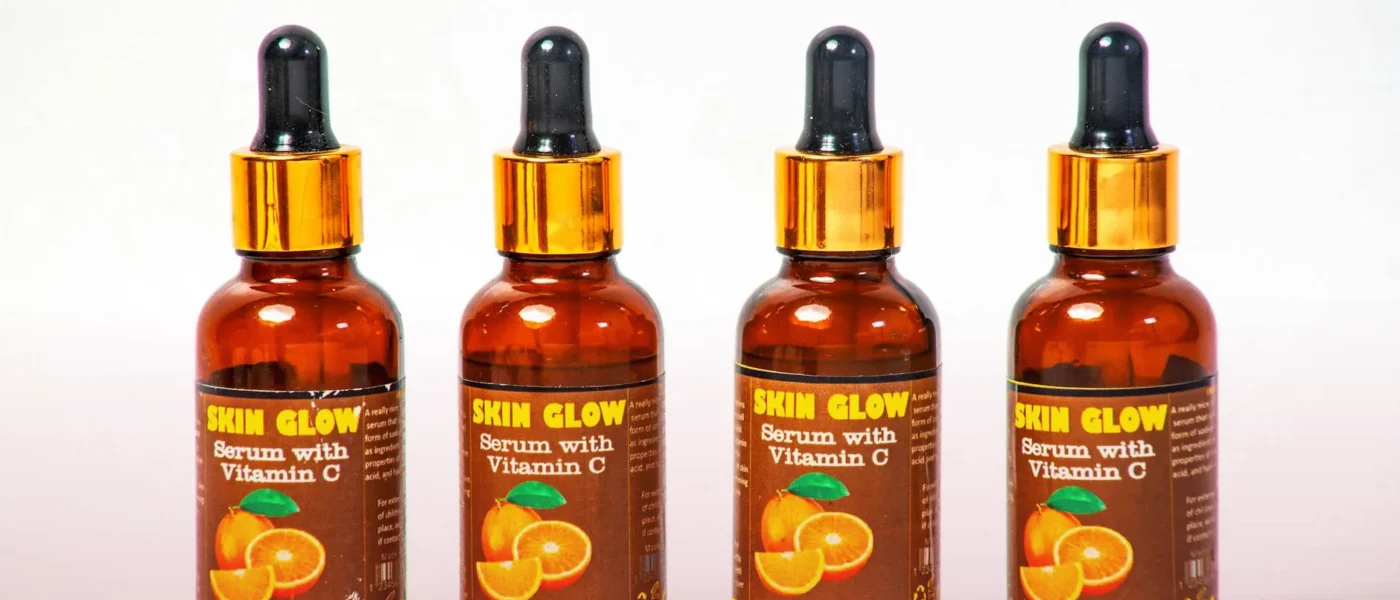

There are way to many Vitamin C serums out in the market right now. Most places like Sephora have entire walls dedicated to these types of serums. These products promote the ability to ‘brighten’, ‘tighten’, and ‘fix’ the skin. Most people are asked which Vitamin C serum is the right answer. The truth is, there is no right answer. This is a result of a lack of knowledge regarding the true effects of Vitamin C serums.
Let us get into the science of Vitamin C and discover its true benefits. Most people do not understand the science of Vitamin C and how it can help your skin. It is an antioxidant, therefore it helps with neutralizing free radicals, which is a huge contributor to aging. Studies show that Vitamin C may help in brightening the skin. It is also known to have positive effects on collagen formation, which is why these products are marketed towards the aging population. The truth is, there is an enormous gap between what Vitamin C can do, and what these products claim it to do.
The biggest error in the hype is assuming all vitamin C is the same. It’s not. The most studied form is L-ascorbic acid, and in order for it to properly work, it must be formulated at a certain pH — around 3.5 or lower. Many brands don’t disclose the pH though, so they may as well be slapping “vitamin C” on the label. There are also serums that have ascorbic acid listed as the fifth or sixth ingredient, which means that it is barely in there, or they may use more stable derivatives like magnesium ascorbyl phosphate or ascorbyl glucoside. These may work, but the evidence for them is just not as good.
Oxidation is also a concern. When exposed to air and light, L-ascorbic acid will break down. You may open a bottle and see it has turned yellow or brown, which means it is just about useless. When I started using vitamin C, I thought that the serum would be good until I finished it, but I was completely wrong. You are just racing the clock, and dark or opaque glass alone will not save you.
The same issue is seen with concentration. People often assume that more is better, so they like to brag about having 20%, 25%, or even 30% serum. Research suggests that efficiency levels off around 15% to 20% and that anything larger will likely lead to more irritation.
So who ought to use it? Perhaps vitamin C may help if you struggle with hyperpigmentation or the early stages of aging. It even helps with dull skin. It also compliments sunscreen since it can provide added photoprotection, but is in no way a substitute! Sensitive skin? Using a vitamin C serum such as L-ascorbic acid with retinol is a recipe for irritation. Start slow and experience first, as I learned the hard way from waking up to apply L-ascorbic acid in the morning and suffering irritation from the retinol during the night. My skin was not happy.
If your skin is reactive or if you have rosacea, you may want to skip L-ascorbic acid altogether and use a gentler derivative instead. Or even skip vitamin C. It is not as essential as Instagram influences might say.
As for the results I obtained from using it? Each morning for about three months, I applied a 15% L-ascorbic acid serum. The first week, my skin had slight tingling, but it was nothing noticeable. Around week six, I started even noticing that my complexion looked a bit more even. It was almost like the contrast had been adjusted. My dark spots were still there, but they were much more subtle. I was surprised at how quickly the serum turned. I had to get rid of it two months later because the serum had turned orange even though I stored it in a drawer.
For a first try, go with the Timeless 20% Vitamin C Plus E Ferulic Acid Serum. It’s about $25 and contains L-ascorbic acid, which is paired with ferulic acid that helps stabilize it. If you’re concerned about the serum oxidizing, keep it in the fridge.
Want more Hot Takes in your inbox?
New ingredient breakdowns drop three times a week. Subscribe here — no spam, just Cassidy’s honest takes.