
Last month, my Instagram feed flooded with posts about alpha arbutin. Most of these posts were promoting it as a better alternative to vitamin C for treating dark spots, which isn’t true.
While it is true that alpha arbutin is effective for hyper pigmentation, the way these posts are promoting it as a fast and gentle dark spot remover is extremely misleading and is going to leave a lot of people disappointed.
The way that alpha arbutin works, is that it is an enzyme inhibitor for an enzyme called tyrosinase. This enzyme is responsible for carrying out melanin production. When the activity of this enzyme is reduced, the amount of melanin that is produced is also reduced, which prevents the formation of new dark spots. This means that alpha arbutin will help to lighten dark spots that are already on your skin. This makes alpha arbutin an inhibitor of tyrosinase enzymes, which puts alpha arbutin in the same category as kojic acid and vitamin C, but with different molecular structures.
The “alpha” in alpha arbutin is important because it means that this form of arbutin is a synthetic and stabilized version and is superior to other types of arbutin (such as beta arbutin) which is found in plants like bearberry. Alpha arbutin also has a better skin penetration ability and formulation stability, which is why it is the preferred version to use in skin care products.
Through this research, I was surprised to find that alpha arbutin is far more effective at preventing pigmentation from forming than correcting the pigmentation that is already present on the skin. This is a far cry from the graphics that are being posted on Instagram.
Current trends make alpha arbutin sound like it is more gentle than hydroquinone. This is more accurate than it sounding like it works better than hydroquinone. There are standard warnings that come with high dosages of hydroquinone as it has been known to create darkening that is paradoxical to what a consumer may be trying to achieve. It is true that research supports the idea of alpha arburtin being effective, however it will never be as effective as other options. Trading some effectiveness for gentleness is always going to be the compromise in choosing alpha arbutin.
While it is common for brands to boast that alpha arbutin works “without irritation,” it is true that for most, there is little to no irritation. However, I have come across a number of posts describing how some of those with highly reactive skin have still experienced irritation. Though it is rare, irritation is a reality.
Another point I wish to address is the lack of transparency in product concentration. When researching the efficacy of alpha arbutin in relation to the amount used, most studies showed effectiveness at 2% concentration or higher. Because there are no laws demanding the concentration be made available to a consumer, the concentration ends up being placed at such a low point on the ingredient list that it likely has no bearing on the efficacy of the product.
Instead of being abrasive with other active ingredients, alpha arbutin is able to be used in conjunction with them. Alpha arbutin is able to be used alongside niacinamide, azelaic acid, and vitamin C without worrying about the chaos seen when mixing retinol and benzoyl peroxide. With alpha arbutin alongside tranexamic acid, I did not experience irritation or pilling which is more than I can say for some other combinations of products.
If you’re already using a brightening routine, such as having consistency with tranexamic acid or azelaic acid, alpha arbutin may be redundant. Just because you can use many brightening ingredients, doesn’t mean you should or need to catch them all like Pokémon.
Who it’s actually for: people with post-inflammatory hyperpigmentation, melasma, or any uneven skin tone who need something over-the-counter but strong actives are too much for their skin. It’s great for anyone pregnant or nursing, since it’s not a retinoid and has none of the contraindications that hydroquinone does.
If you know your skin is sensitive and reactive, be careful. Even gentle things can be an issue if your barrier is compromised.
I had a very standard experience with alpha arbutin. I used a serum with 2% alpha arbutin for about three months on some stubborn PIH from a breakout last spring and the spots did not disappear, but they began to fade quicker than they usually do when I let them be. I didn’t wake up with glass skin, but my skin did look more even after some time. What surprised me the most was how nonchalant the process was, with no burning, no peeling, and no anxiety about its efficacy. It just did its job.
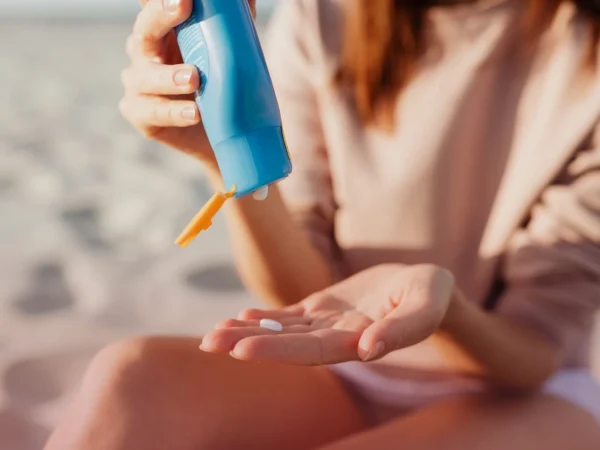
I’d suggest starting with The Ordinary Alpha Arbutin 2% + HA which costs about $12 and has transparent concentration listed. Since it’s an anti-pigmentation product, you’ll want to use it with sunscreen to prevent any new hyperpigmentation from forming.
Want more Hot Takes in your inbox?
New ingredient breakdowns drop three times a week. Subscribe here — no spam, just Cassidy’s honest takes.