
Though bakuchiol is touted as a natural alternative to retinol, it should not be thought to provide the same benefits as retinol.
This is not to say that bakuchiol is ineffective, but it should be recognized that retinol and bakuchiol not only serve different functions, but also serve different purposes and should not be compared.
Bakuchiol is derived from the bakuchi plant, which has been used in ancient Indian and Chinese medicine, but has only recently been used in western skincare after more than a thousand years of cultivation. In western skincare, bakuchiol has been associated with positive effects of retinol that do not cause skin irritation like retinol does.
Certain positive effects such as aiding in the reduction of fine lines and hyperpigmentation are correlated with retinoids through use of a different mechanism. However, bakuchiol does not convert to retinoic acid and therefore does not provide the same results as retinol.
It is unrealistic for people to expect the same results in a given time frame when transitioning from retinol to bakuchiol. This has been the case for many people when switching to the two.
The issue with the hype is the marketing framing as "gentler retinol". Bakuchiol is indeed gentler but it is also a lot weaker. Studies that look at bakuchiol compared to retinol mostly look at bakuchiol vs 0.5% retinol which is a moderate concentration. And even then they are similar but not the same. There are people who use bakuchiol who report improvement but there are retinol users who report slightly more improvement—they just also dealt with more irritation.
Companies love to advertise bakuchiol to people "who can't tolerate retinol" but that is not necessarily true. If you haven't tried retinol at all or if you only tried it once and your skin freaked out because you went too hard too fast, you have other options. Most of the issue with retinol are just application issues—like using too much too often or not using supporting products. I wrote about that whole mess in my retinol post and it's still the biggest mistake I see.
In addition, bakuchiol is marketed as pregnancy safe and to some extent that is true, it is not a retinoid and the early studies do not show any concerns, however there is not a lot of long-term safety data on it during pregnancy. I am not a doctor and I would not make that call for anyone. If you are pregnant and thinking about it, definitely talk with your OB and do not make that decision based on an Instagram ad.
So, who is bakuchiol intended for? Those with truly sensitive skin and who have already tried a gentle retinol routine and couldn’t make it work. Those who want a mild anti-aging active ingredient and don’t want to deal with a retinol education period. Those who like ingredients from plants and don’t mind slower and less noticeable results.
Who should skip it? There’s no point in switching to bakuchiol if you’re already using retinol and it’s working for you. Most consumers don’t realize it, but being plant-based does NOT make a product better. If you expect major changes in a few weeks, you’ll be disappointed. This ingredient works on a long time scale.
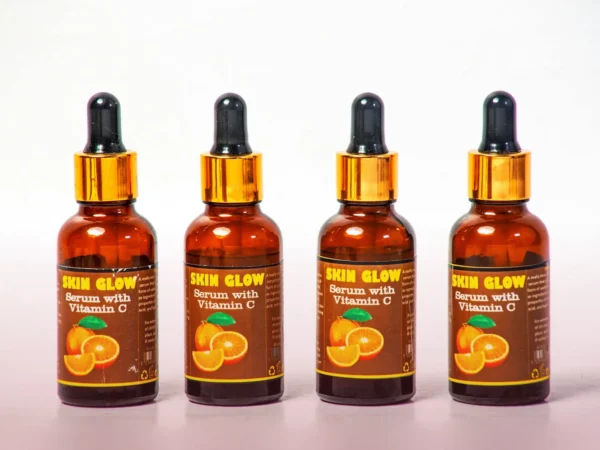
As a last note, I tried bakuchiol for about three months last year when I needed to take a break from retinol. I was using a serum with 1% bakuchiol every night, and to be honest, I only noticed the mildest improvement in smoothness and brightness, but there was nothing that would make me want to stop using retinol. At least it didn’t bother my skin, but on the other hand, I didn’t have the textural improvements that I was looking for. Lastly, I think it works for preventive use, but for me it’s not something that I would fully replace retinol with.
For those that want to try it, I recommend The Inkey List Bakuchiol Moisturizer which is a solid starting point at about $15 and contains 1% bakuchiol. If you want a more luxurious option, you can buy Biossance Squalane + Phyto-Retinol Serum which is about $70, and in addition to bakuchiol, it contains skin soothing components.
Want more Hot Takes in your inbox?
New ingredient breakdowns drop three times a week. Subscribe here — no spam, just Cassidy’s honest takes.